
Nov 1, 2026・2 min read
The Hidden Cost of Waiting 30, 60 or 90 Days to Get Paid
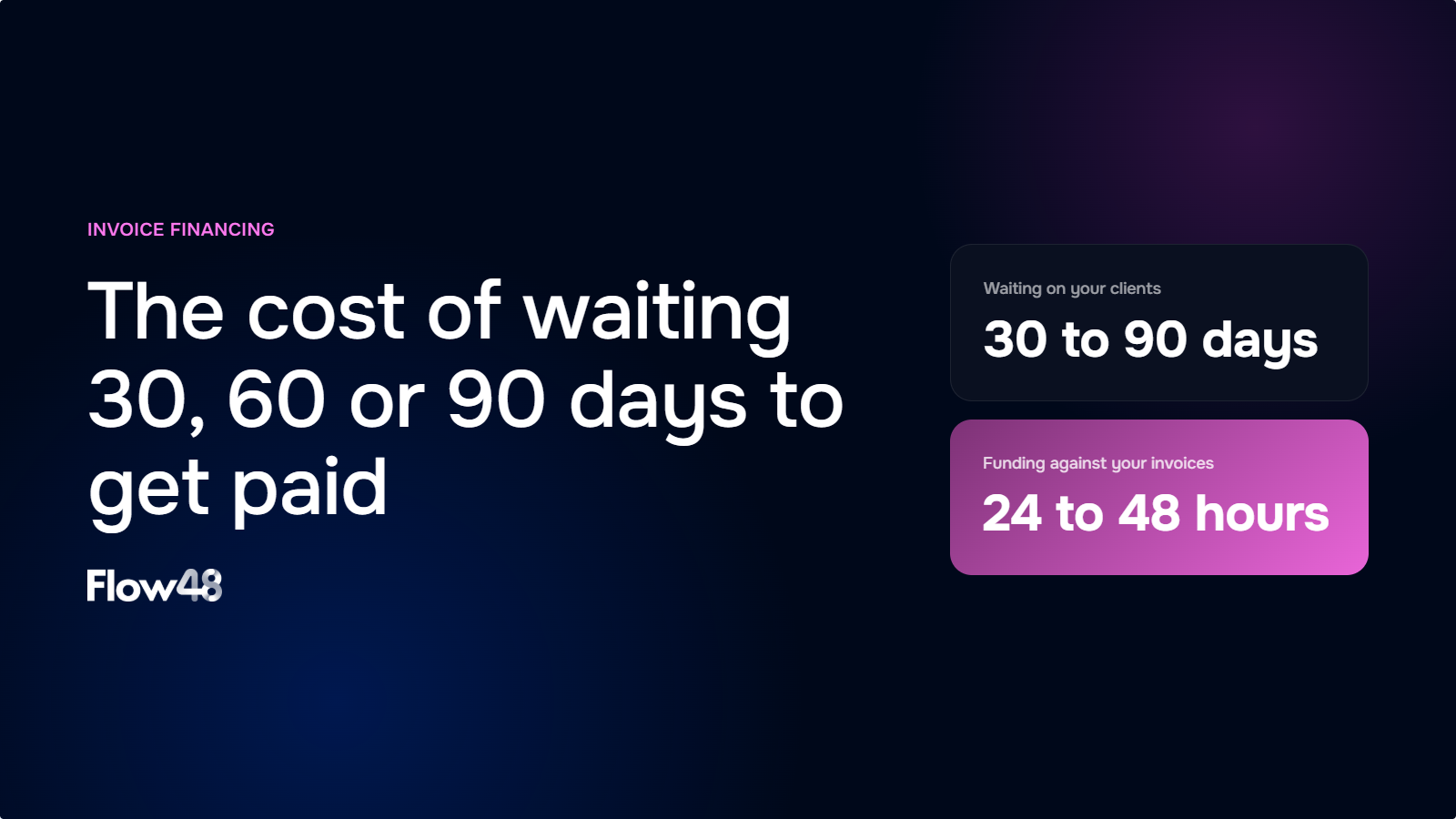
Waiting for customers to settle their invoices can cost your business more than you realise. While the money is technically yours, you cannot use it to pay suppliers, purchase stock, or take on new opportunities. Invoice financing helps eligible businesses access cash tied up in unpaid invoices, giving them more flexibility to manage everyday expenses and keep growing.
You send off a big order, issue the invoice, and get back to work. Good news, right? Well, yes, until you remember your customer has 60 days to pay, while your suppliers expect their money next week.
If you’re an established business offering trade credit, that waiting period can get very expensive, very quickly. It’s why more business owners explore invoice financing in the UAE when their sales are healthy, but they need additional working capital to keep their businesses moving.
What 30, 60 and 90 Days Really Cost You
Let’s say you run a Dubai-based distribution business. You’ve delivered AED 250,000 worth of goods to a corporate customer on 60-day terms. Your warehouse team has done its job, and the invoice has been sent out, but your next shipment needs to be paid for long before that money comes in.
At 30 days, you might be dipping into your reserves to pay staff and suppliers. At 60 days, you may have to delay another stock order. Stretch that to 90 days, and you could find yourself turning down a perfectly good contract because you cannot afford the upfront costs.
It’s frustrating when your business has earned the revenue but cannot access the cash.
How Invoice Financing Helps Bridge the Gap
Invoice financing gives eligible businesses access to a portion of the money tied up in qualifying unpaid invoices. Instead of waiting for every payment term to run its course, you can put that capital towards supplier bills, stock, or another order. The customer still needs to pay, and the funding comes with agreed fees and repayment terms, so it’s worth looking at the numbers before jumping in.
If you run an established B2B business in logistics, manufacturing, distribution or professional services, you may already have completed work and issued invoices while waiting for customers to pay. It’s just a waiting game until the cash arrives.
Make Sure the Funding Earns Its Keep
Before applying, check which invoices are outstanding, when customers usually pay, and how much cash you actually need to keep trading comfortably. Think about the next order you could fulfil or the supplier discount you might secure. Compare that potential benefit with the cost of financing.
For a closer look at how this type of funding works, read our invoice financing guide.
FAQs
Disclaimer: This article provides general information and does not constitute financial advice. Funding structures, costs and repayment terms vary. All funding is subject to Flow48's credit assessment, eligibility requirements and applicable terms.
Ready to Put Your Unpaid Invoices to Work?
If you have a trading history, genuine outstanding business invoices and a cash flow gap caused by customer payment terms, invoice financing in the UAE could be the solution. Flow48’s Invoice Financing may be worth exploring. Review how the product works, confirm eligibility for your UAE business and apply to see whether you qualify.
Related reading
- Learn why the difference between cash flow and profit matters for growing businesses.
- Invoice Financing vs Bank Loans: Which Is Right for Your Business?